
Treatments
Braces in Downey, CA
Braces use brackets and wires to guide teeth into a healthier bite. They are the most versatile orthodontic tool available, and the right choice for complex cases. To find out whether braces fit your bite, call or text the office at (562) 904-6930.
What it is
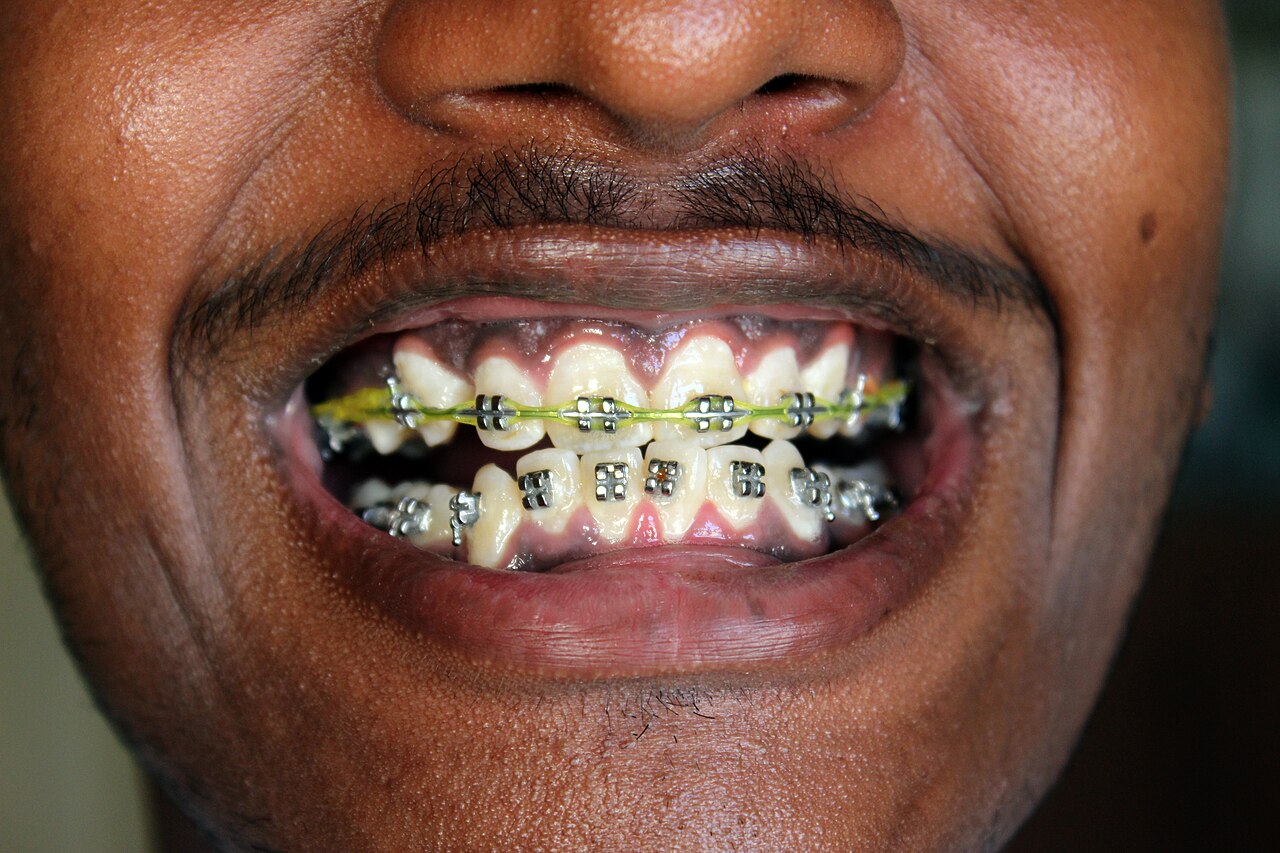
Orthodontic treatment with braces works through steady, gentle pressure. Small brackets are bonded to the front of each tooth, and a thin archwire is threaded through them. The wire guides each tooth along a planned path, and the bone around the tooth roots gradually reshapes as the teeth move. That remodeling is normal biology, and it is why orthodontic movement takes months rather than days.
Treatment is not set and forget. At adjustment visits the doctor changes the wire, repositions elastics, or adds small auxiliaries to keep everything moving as planned. We offer traditional metal braces and ceramic brackets that blend with the tooth color. Both move teeth the same way. Ceramic is less visible but slightly more fragile, so the choice comes down to your priorities and your case.
Benefits
Braces remain the workhorse of orthodontics for a reason. Because they are fixed in place, they work around the clock without any daily discipline from you, and they give the doctor direct control over each individual tooth.
- Handles complex cases. Crowding, rotations, deep bites, large gaps, and bite corrections that removable options cannot manage predictably.
- Precise tooth control. The doctor can move single teeth in specific directions, which matters when the bite needs detailed finishing.
- No wear schedule to follow. Fixed appliances keep working whether you remember them or not, so progress does not depend on daily compliance.
- Works for teens and adults. Age matters less than the health of the teeth and gums, which the doctor evaluates at your consultation.
What to expect
Your free orthodontic consultation covers whether braces fit your bite and your goals. If you move forward, the next step is records: photos, X-rays, and a digital scan of your teeth, which the doctor uses to plan the case.
Braces are placed at a longer appointment, usually one to two hours. Brackets are bonded to the teeth and the first wire is placed. Placement does not usually require numbing. Your teeth will feel tight, and soreness typically starts that evening and lasts a few days. Soft foods and over-the-counter pain relief, as directed, get most people through it.
After that you return about every 4 weeks for adjustments. The doctor changes the wire or elastics, and your teeth usually feel sore for a few days after each visit. When treatment is complete, the brackets come off, the teeth are polished, and a retainer holds everything in its finished position. You receive exact costs in writing before treatment starts.
Good to know
- Brushing and flossing take more effort around brackets and wires. A water flosser or interdental brushes help.
- Hard, sticky, and chewy foods are off the menu while they can break brackets. A broken bracket usually means an extra visit to fix it.
- Metal brackets are visible. Ceramic brackets are less noticeable but can be slightly more prone to chipping.
- Soreness after placement and adjustments is normal and temporary. Sharp pain, a poking wire, or a loose band warrants a call to the office.
Risks of not treating it
Crooked teeth and bite problems rarely correct themselves. Over time they can cause uneven wear on the teeth, make thorough cleaning harder (which raises the risk of cavities and gum problems), and strain the jaw joints and muscles. What starts as crowding can turn into a bigger, more expensive correction later.
FAQ
Questions, answered
How long does braces treatment take?
Often 12 to 24 months, though it varies with the complexity of the case. The doctor gives you a personal estimate at your consultation, based on your bite and your records.
Do braces hurt?
Placement itself is usually not painful, but expect soreness for a few days after the braces go on and after each adjustment. Soft foods and over-the-counter pain relief, as directed, are usually enough.
Should I choose metal or ceramic brackets?
Both move teeth the same way. Metal is the most durable and usually the most economical. Ceramic blends with the teeth and is less visible, but the brackets are slightly more fragile. The doctor can recommend based on your case.
What should I do if a bracket breaks or a wire pokes?
Call the office for guidance. Keep any loose piece, do not try to fix it at home, and cover a poking wire with orthodontic wax until you are seen.
General information only. This page describes dental treatment in general terms and is not dental advice for your specific situation. Only an in-person exam can determine what you need.
Call or leave a message
Book a Free Ortho Consult
(562) 904-6930Call or text the office at (562) 904-6930, or email [email protected]. Orthodontic consultations are free. Walk-ins are welcome, but call first to confirm the office is open.