
Treatments
Tooth Extractions in Downey, CA
A simple extraction removes a tooth that cannot be saved, with the area fully numbed. Nobody wants to lose a tooth, so it is only recommended when keeping it would do more harm. Have a tooth that hurts? Call or text the office at (562) 904-6930.
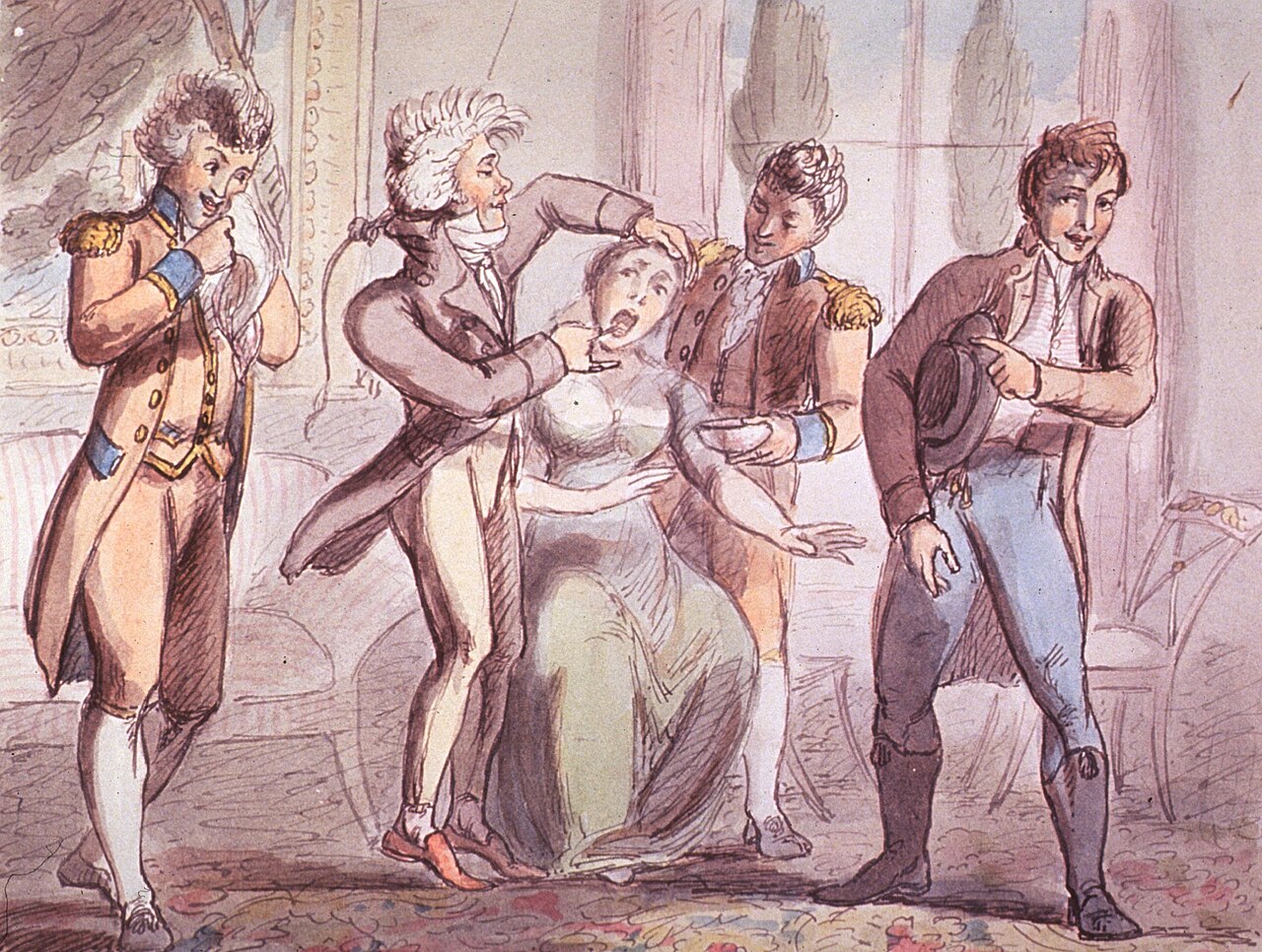
What it is
Some teeth cannot be saved: decay that has destroyed too much structure, fractures below the gumline, advanced gum disease that has loosened the tooth, or infections that keep returning despite treatment. In those cases, removing the tooth cleanly is better than leaving a source of infection in the mouth.
A simple extraction means the tooth is visible and accessible, so no surgical cutting is needed. After the area is completely numbed, the doctor loosens and removes the tooth. Impacted teeth, such as some wisdom teeth, are a different procedure. If your case needs a specialist, the doctor will tell you honestly instead of attempting something beyond a simple extraction.
Benefits
Extraction is never the first choice, but when a tooth is beyond saving, removing it is the treatment that stops the damage.
- Ends pain and infection at the source. A tooth that cannot be saved will keep hurting or reinfecting until it is out.
- Protects neighboring teeth. Infection and decay spread. Removing the source protects the teeth next to it and the jawbone.
- A straightforward visit for most people. Simple extractions are usually quick, and most patients return to their normal routine within a day or two.
- An honest treatment plan. If the tooth can be saved with a filling, crown, or root canal, the doctor will say so first.
What to expect
The area is numbed completely before anything else happens. You will feel pressure and a rocking sensation as the tooth is loosened, but not sharp pain. If you feel sharpness at any point, raise a hand. After the tooth is out, you bite on gauze to help a clot form, and you leave with clear written aftercare instructions.
The first few days matter most. Some soreness and swelling are normal and usually peak in the first day or two, then improve. Eat soft foods at first, avoid straws, smoking, and vigorous spitting for several days, and follow the instructions exactly. These steps protect the blood clot in the socket. If the clot is lost too early, a painful condition called dry socket can develop, which is largely preventable with proper aftercare.
Call the office if pain worsens after the third day instead of improving, if swelling keeps growing, or if you develop a fever. We would rather hear from you early than treat a complication late.
Good to know
- You will have a gap afterward. The doctor will discuss replacement options, such as an implant, bridge, or partial, so your bite stays balanced and neighboring teeth do not drift.
- Some soreness, swelling, and minor oozing for a day or two are normal parts of healing.
- Aftercare compliance is the main thing you control. No straws, no smoking, no vigorous rinsing for the first several days.
- Blood thinners and certain medical conditions change the plan. Tell the doctor your full medical history at the visit.
Risks of not treating it
An infected or broken tooth does not heal on its own. Infection can spread into the jaw and to neighboring teeth, and waiting usually turns a simple extraction into a bigger, more painful problem. What could have been a straightforward visit becomes a surgical one.
FAQ
Questions, answered
Will the extraction hurt?
The area is fully numbed, so you feel pressure and movement but not sharp pain during the procedure. Soreness afterward is normal and usually manageable with the aftercare plan the doctor gives you.
How long is the recovery?
Most people are back to their normal routine in a day or two, eating soft foods at first. The socket itself takes longer to fill in fully, which happens quietly over the following weeks.
What is dry socket and how do I avoid it?
Dry socket is severe pain that starts a few days after the extraction, caused by losing the protective blood clot too early. Avoid straws, smoking, and vigorous spitting or rinsing for several days. Call the office if pain worsens after day three.
Will I need to replace the tooth?
Usually yes, unless it is a wisdom tooth or the doctor advises otherwise. Leaving a gap lets neighboring teeth drift and changes your bite over time. The doctor will walk through implant, bridge, or partial options.
General information only. This page describes dental treatment in general terms and is not dental advice for your specific situation. Only an in-person exam can determine what you need.
Call or leave a message
Have a Tooth That Hurts?
(562) 904-6930Call or text the office at (562) 904-6930, or email [email protected]. Walk-ins are welcome, but call first to confirm the office is open.