
Treatments
Teeth Cleanings in Downey, CA
A professional cleaning removes the plaque and tartar your toothbrush cannot reach. It is the single best defense against gum disease. To schedule a cleaning, call or text the office at (562) 904-6930.
What it is
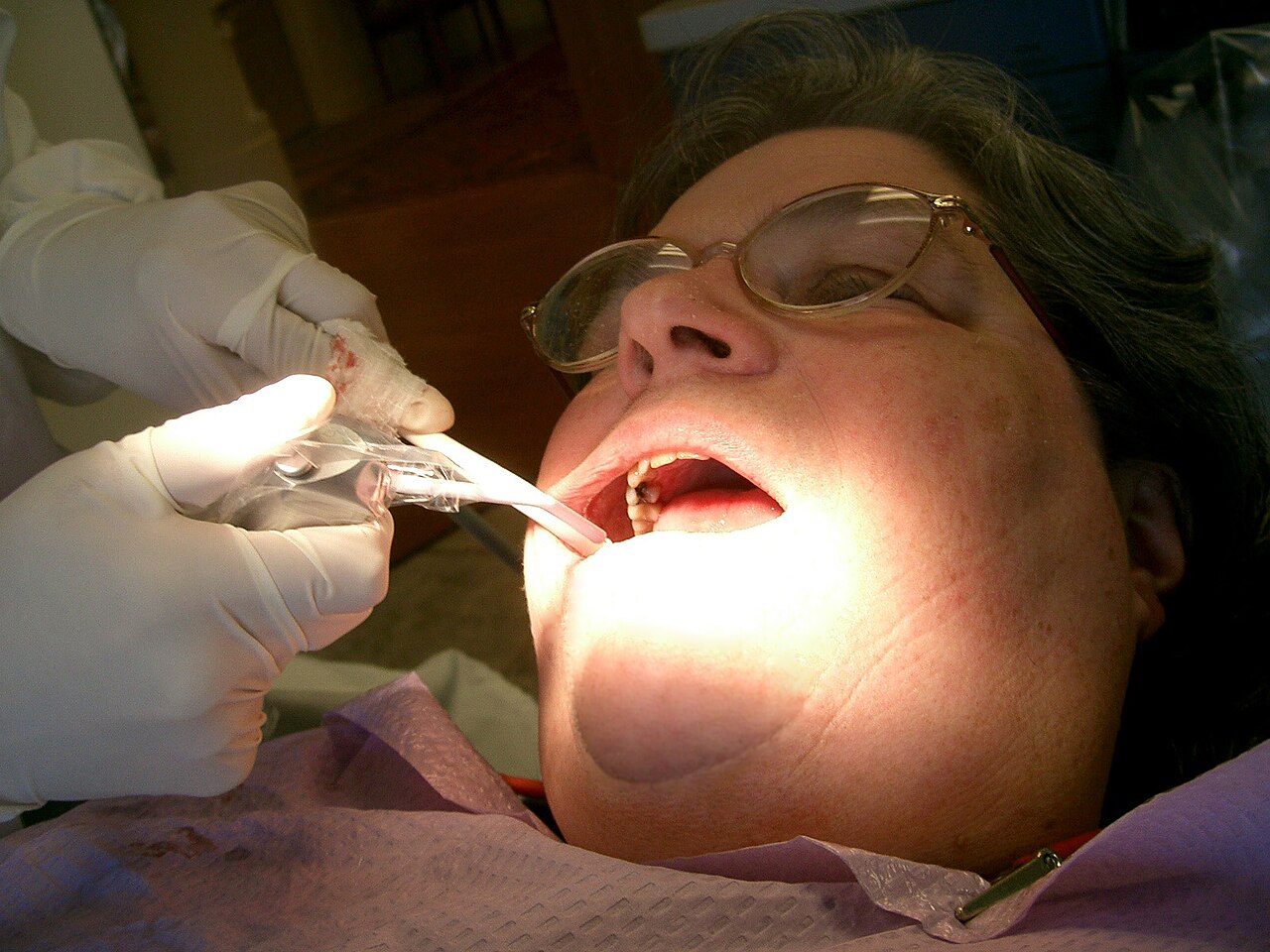
Even good brushers miss spots, and plaque left behind hardens into tartar (calculus), which no toothbrush or floss can remove. Using specialized instruments, the hygienist or doctor removes that hardened buildup above and below the gumline, polishes the teeth, and checks the health of the gums.
If the exam shows signs of gum disease, a standard cleaning may not be enough. A deep cleaning, called scaling and root planing, goes below the gumline to clean the root surfaces where bacteria collect. It is usually done with numbing and is sometimes split across more than one visit, depending on how many areas need treatment.
Benefits
Cleanings do what home care cannot: remove hardened deposits and give the doctor a clear, unobstructed look at your teeth and gums.
- Prevents gum disease. Removing tartar below the gumline stops the inflammation that leads to bone loss, which is the most common reason adults lose teeth.
- Prevents cavities in hard-to-reach spots. Buildup along the gumline traps bacteria against the tooth. Removing it takes away their shelter.
- Freshens breath and removes surface stain. Polishing clears the stain and film that dull the smile between visits.
- A clear diagnostic view. Clean teeth and measured gums let the doctor spot new problems accurately at your exam.
What to expect
A routine cleaning is a straightforward visit and does not usually require numbing. You will feel the ultrasonic scaler first: it vibrates against the tooth with a stream of water and makes a high-pitched buzzing sound. It tickles some people and annoys others, but it should not be sharp pain. Hand instruments follow for detail work, which feels like scraping or pressure along the tooth. Polishing uses a gritty paste with a soft rotating cup.
The doctor or hygienist will also measure your gum pockets, calling out numbers as they go. Those numbers track gum health over time. Afterward your gums may feel tender for a day or two, especially if there was significant buildup. That tenderness fades as the gums heal.
A deep cleaning is a different visit. The area is numbed first, so you feel pressure but not pain while the root surfaces are cleaned below the gumline. Because it covers more area, it is often scheduled across two visits. Your gums may be sore for a few days after, and the doctor will explain exactly what was done and what comes next before you leave.
Good to know
- A standard cleaning needs no numbing. A deep cleaning does, and it may take more than one visit.
- Gums can feel tender for a day or two afterward. This is normal healing, not damage.
- A cleaning resets the buildup, but your home care decides the long-term result. Brush twice daily and clean between the teeth.
Risks of skipping it
Tartar buildup leads to gum inflammation, then gum disease, then bone loss and loose teeth. Gum disease is the most common reason adults lose teeth, and it usually does not hurt until it is advanced. By the time it is noticeable, the treatment is bigger than a cleaning.
FAQ
Questions, answered
What is the difference between a regular cleaning and a deep cleaning?
A regular cleaning removes tartar above the gumline and is preventive. A deep cleaning (scaling and root planing) goes below the gumline to clean root surfaces where gum disease has taken hold. It is done with numbing and sometimes split across visits.
Will the cleaning hurt?
A standard cleaning feels like vibration, scraping, and pressure, not sharp pain. If your gums are inflamed it may be tender. A deep cleaning is done with numbing, so you feel pressure but not pain during the visit.
How often should I get my teeth cleaned?
Usually every six months. Active gum disease may call for more frequent cleanings, which the doctor will recommend based on your measurements.
If I get cleanings, do I still need to floss?
Yes. A cleaning removes what has already hardened. Daily brushing and cleaning between the teeth prevent new plaque from hardening in the first place. The two work together.
General information only. This page describes dental treatment in general terms and is not dental advice for your specific situation. Only an in-person exam can determine what you need.
Call or leave a message
Schedule a Cleaning
(562) 904-6930Call or text the office at (562) 904-6930, or email [email protected]. Walk-ins are welcome, but call first to confirm the office is open.