
Treatments
Dental Exams in Downey, CA
A dental exam is a full check of your teeth, gums, bite, and mouth. It is how small problems get caught while they are still small. General dental exams have a fee. To schedule one, call or text the office at (562) 904-6930.
What it is
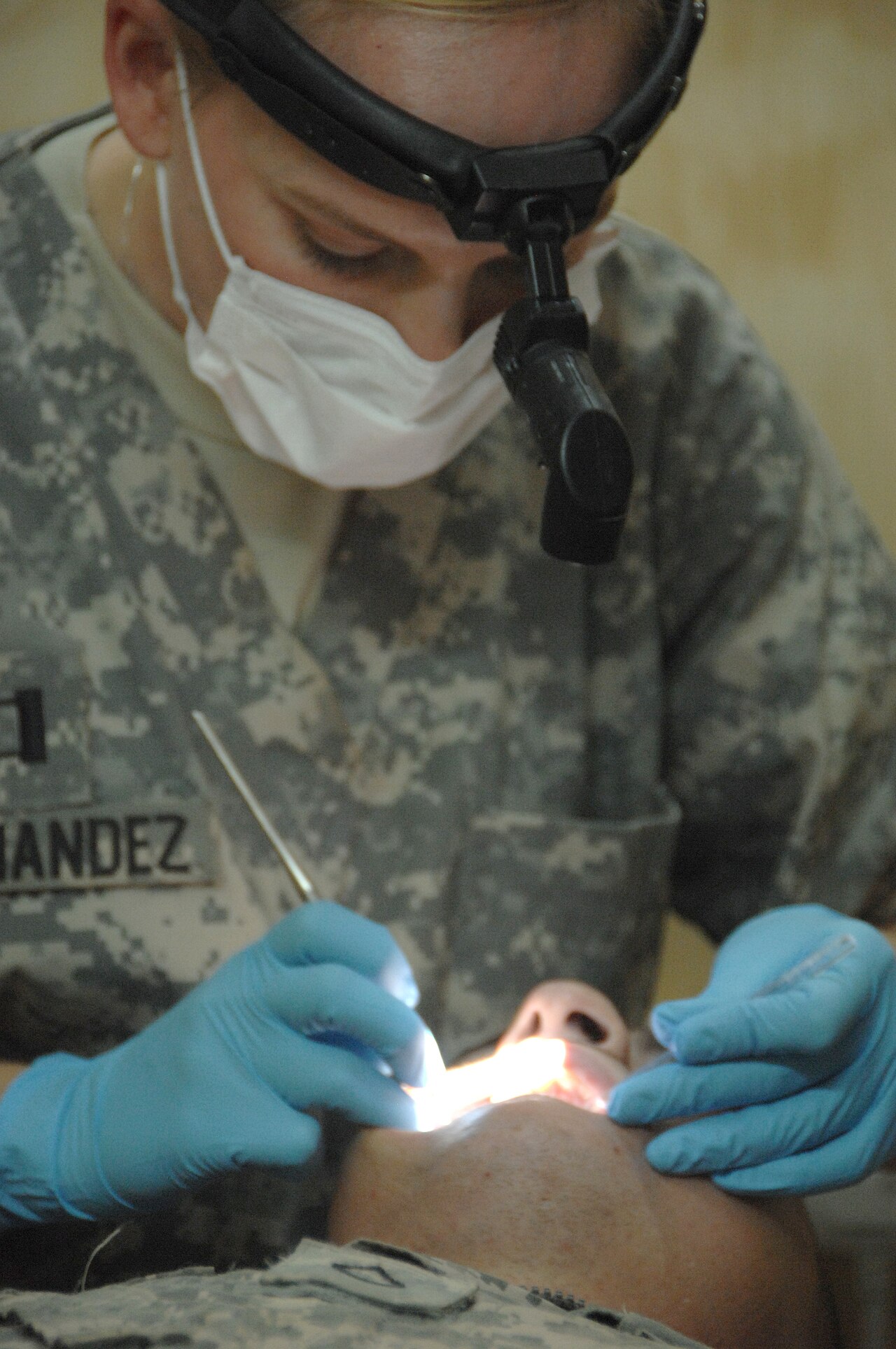
An exam is a systematic check, tooth by tooth. The doctor looks at each tooth for decay, cracks, and worn or failing restorations, checks the gums for inflammation and pocketing, reviews how the upper and lower teeth meet, and looks at the soft tissues of the mouth. Digital X-rays are taken when they are due, based on your history and risk, not automatically at every visit. An intraoral scan may be used to document what the doctor sees.
The point of all of this is early detection. A cavity the size of a pinhead and a cavity that needs a root canal can feel identical to you, which is exactly nothing, until the bigger one starts hurting. The exam finds the small version.
Benefits
Routine exams are the highest-value visit in dentistry. They are short, they are diagnostic, and they steer every other decision about your mouth.
- Catches problems early. Decay, gum disease, cracked teeth, and bite issues are all simpler to fix when found early.
- Early fixes cost less and are more comfortable. A small filling beats a root canal on every measure: time, money, and soreness.
- Builds a baseline. Regular records let the doctor track changes over years instead of guessing from a single snapshot.
- Time for your questions. Sensitivity, bleeding gums, jaw soreness, anything that has been bothering you gets evaluated in context.
What to expect
The visit starts with a review of your dental and medical history and any concerns you want checked. Then the doctor examines each tooth and the gums. You will feel the doctor probing gently along the gumline with a thin instrument. This measures pocket depth. It may feel like light pressure, and gums that are inflamed may bleed a little, which itself is useful information.
For a tooth that is suspect, the doctor may tap it gently (a percussion test) and apply something cold to it (a cold test). These tests are brief. Tenderness when a tooth is tapped can suggest inflammation in the tissues around the tooth. With the cold test, short-lived sensitivity that fades quickly is a normal response, while an ache that lingers after the cold is removed can suggest the nerve inside the tooth is inflamed. The doctor interprets these responses together with the X-rays, never from one test alone.
After the exam you get a plain-language rundown of what was found and what, if anything, needs attention. No treatment happens without your say-so, and you receive exact costs in writing before deciding anything.
Good to know
- General dental exams have a fee. The doctor will tell you the fee before the visit.
- Dental X-rays use a small amount of radiation. Digital X-rays use far less than traditional film, and they are taken when due, not by default.
- If you have dental anxiety, say so at the start. Knowing what to expect step by step helps most patients, and the doctor can pace the visit accordingly.
Risks of skipping it
Skipping exams lets small cavities grow into root canals or extractions, and lets gum disease advance without symptoms. Gum disease in particular usually does not hurt until it is advanced. Most dental pain starts as something an exam would have caught months earlier.
FAQ
Questions, answered
How often should I get a dental exam?
Usually every six months. The doctor may recommend a different interval based on your risk: active gum disease, frequent decay, or ongoing treatment can call for more frequent checks.
Will I need X-rays at every visit?
No. X-rays are taken when they are due, based on your history, your symptoms, and the time since your last set. Digital X-rays use far less radiation than traditional film.
What exactly does the doctor check?
Each tooth for decay, cracks, and failing restorations, the gums for inflammation and pocketing, the bite, and the soft tissues of the mouth. Suspect teeth may get percussion and cold tests to check the nerve.
Will the exam hurt?
The exam itself should not hurt. Gum probing may feel like pressure, and the cold and percussion tests cause only brief sensations. Those momentary responses are what help the doctor diagnose accurately.
General information only. This page describes dental treatment in general terms and is not dental advice for your specific situation. Only an in-person exam can determine what you need.
Call or leave a message
Schedule an Exam
(562) 904-6930Call or text the office at (562) 904-6930, or email [email protected]. Walk-ins are welcome, but call first to confirm the office is open.