Starting the arches
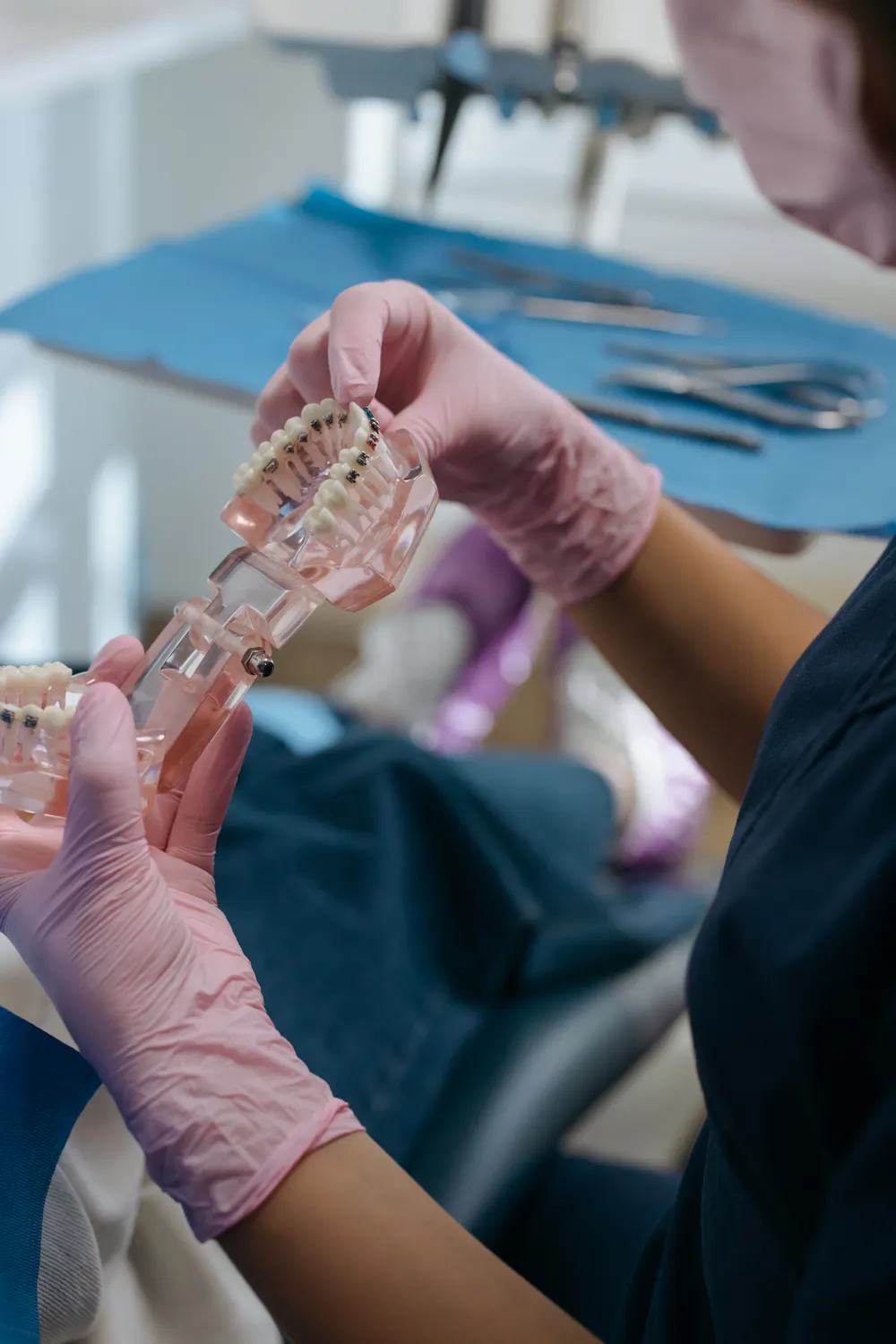
Braces may start on one arch or on both the upper and lower arches. The doctors choose the order based on the bite and what needs to move first.

Patient guide
What to expect through each phase, how to protect your braces every day, and what to do when a bracket or wire needs attention.
What to expect
Your exact sequence is set by your bite. Some patients begin with one arch and others with both.
Braces may start on one arch or on both the upper and lower arches. The doctors choose the order based on the bite and what needs to move first.
Light wires begin straightening crowded or rotated teeth and leveling the arches. Early changes can be visible, but the teeth still need time to move safely.
The focus shifts to how the upper and lower teeth fit together. Wires, elastics, springs, or other parts may guide teeth into their planned positions.
Small adjustments refine spacing, tooth position, and the final bite. These changes can look subtle but remain important.
When active treatment is complete, retainers hold the teeth in position. Retainers are included with treatment. Follow the wear schedule the doctors provide.
Orthodontic records include initial X-rays before treatment, progress X-rays during treatment, and final X-rays when active treatment is complete. Complete recommended general dentistry before braces begin, and continue regular exams and cleanings during treatment.
Daily care
Good cleaning and food choices keep brackets secure and teeth healthy while they move.
Brush for two minutes with fluoride toothpaste, morning and night, and after meals when possible. Angle a soft brush above and below every bracket and along the gumline. Use an interdental brush under the wire, then floss daily with a floss threader or orthodontic floss.
Continue routine exams and cleanings with your general dentist.
Small elastics hold the wire into each bracket. Choose one color, a pattern, school colors, holiday colors, or a new combination at an adjustment visit.
Be creative. The color choice does not change how the braces work.
Troubleshooting
Temporary comfort steps can help, but the office should know when a part is loose or damaged.
Leave it in place. Do not pull or twist it. Cover it with orthodontic wax if it rubs, then call the office and explain which tooth is affected.
Save it in a clean container or bag. Do not glue it back on. Call or leave a message so the doctors can decide when it should be repaired.
Wash your hands and dry the area. Roll a small piece of wax into a ball, flatten it, and press it over the sharp spot. A clean pencil eraser can gently press the wire toward the tooth. Do not trim it unless a dentist specifically tells you to.
Dry the bracket and wire with clean tissue or gauze before pressing on fresh wax. Replace the wax when it loosens. Call if the wire keeps poking.
Mild pressure or tenderness is common for a short period. Choose softer foods. Call if pain is severe, gets worse, or does not settle.
Use a soft toothbrush, floss threader, or interdental brush. Use gentle pressure so the wire is not bent.
When to call us
Call or leave a message at (562) 904-6930. Walk-ins are welcome, but call first to confirm the office is open.
For uncontrolled bleeding, major facial trauma, or trouble breathing or swallowing, call 911.